Navigating the Justice System: The System Is Much More Than Just The Courts or The Police
- Stuart James

- Jul 11
- 3 min read
Updated: Jul 17
Note: See the interesting commentary on Facebook as embedded at the end of this post.
Grasping the intricacies of the justice system can be daunting, particularly for those unfamiliar with it. Whether you're dealing with legal challenges, pursuing justice, or just aiming to comprehend the system's operations, this guide is crafted to assist you in confidently navigating the complexities of the justice system.
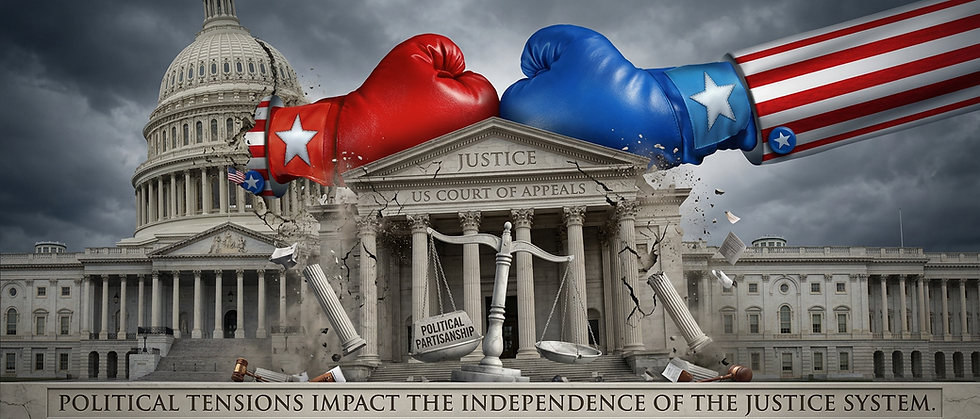
Understanding the Justice System
The justice system serves as a structure intended to maintain the rule of law, safeguard individual rights, and ensure justice is administered. It is composed of several parts, including law enforcement, the judiciary, correctional institutions, and indeed, the political sphere. Each of these components plays a vital role in influencing our society and the way we live within it.
Key Components of the Justice System
Law Enforcement
Police departments and other law enforcement agencies are tasked with enforcing laws, investigating criminal activities, and capturing offenders. They are the initial point of contact for citizens reporting crimes or requesting help. Oftentimes, law enforcement is the first time people are exposed to the criminal parts of our justice system.
Judiciary
The judiciary is responsible for interpreting and applying the law. Legal disputes are settled in courts, where justice is delivered. Judges, juries, and attorneys all have essential roles in this process.
The Legislature
The legislature enacts laws that affect legal rights. Whether addressing matters related to criminal rights or the ability to seek damages in the judicial system, legislative bodies create laws that directly influence individuals' legal rights, thereby indirectly affecting everyone's lives.
The Executive
Individuals in executive roles, from the President to local community Mayors, influence legal rights. For instance, Presidential executive orders, like those imposing tariffs, altering voting rights, or establishing policies and procedures, carry legal consequences.
How the Justice System Works
The justice system functions through a sequence of steps manifested in various ways. It may begin with the initial crime report to the police, marking the start of the criminal process to hold individuals accountable for alleged crimes. In the civil justice system, a legal claim is filed in court to seek compensation for problems caused by others' actions. Additionally, the political system allows for taking action to pass new laws, facilitating legal and practical change. Understanding these processes can help clarify the system and empower citizens to engage with it effectively.
Navigating the System
The court system can be complex, with various levels of entities handling different types of cases. Understanding how to navigate this system is crucial for anyone involved in legal proceedings.
Types of Courts and Other Entities Impacting Legal Rights
Municipal Courts
These courts deal with minor offenses, including traffic violations and misdemeanors. They usually have limited jurisdiction and concentrate on local laws.
District Courts
District courts manage more serious criminal cases and civil disputes. They possess broader jurisdiction and can address a wide variety of cases. Courts vary from one state to another. Some may be known as Circuit Courts, while others, like those in the federal system, are called District Courts.
Appellate Courts
Appellate courts examine the decisions of lower courts. Rather than holding trials, they concentrate on identifying any legal errors that may have occurred during the initial proceedings.
Supreme Court
The Supreme Court, as the nation's highest judicial authority, reviews cases of major legal significance. Its rulings establish precedents that lower courts are required to adhere to, influencing daily life.
Legislative Bodies
The House of Representatives, the Senate, and State Legislatures—all of these elected entities influence the legal system and individual rights. Whether it's the City Council enacting a building ordinance or Congress passing tax legislation, the actions of these political bodies have a direct effect on legal rights. Legislative bodies also have the authority to modify the justice system, thereby directly affecting society.
Conclusion
The "justice" system is an extensive framework that establishes and enforces laws affecting everyone. Gaining insight into how this system operates and the wide-reaching impact it has on society is crucial for understanding legal rights and how to uphold them, whether in the political or judicial realm.
LegalClarity(tm) is striving to offer a guide on how the system affects daily life. Stay with us to explore the justice system with LegalClarity(tm)
Stuart F. James (stuartfjames@sfjameslaw.com)


The commentary on this post (has been politicized, leading to misunderstandings. Comments from both sides attempt to frame this issue as politically partisan—either as a critique of Democrats as socialists or as an attack on Trump’s legality and mental state. The core purpose of this post is to clarify the relationship between the legal and political systems—it is a structural overview of the current system, not a commentary on specific politicians or parties. It does not aim to assert that politicians are intentionally corrupting laws for political gain, although such actions do occur and can be examined in future discussions. The goal is to educate about how the system functions and how political messages can sometimes distort legal realities.